Supplier Spotlight: Bédinkt
There is something deeply personal about flowers at a wedding. Long before guests remember individual blooms or colour palettes, they remember how a space felt – the atmosphere, the emotion, the moments framed by beauty in ways they may not even consciously notice.
Supplier Spotlight is an editorial series by Top Wedding Suppliers, profiling leading names in the wedding industry and offering insight into the ideas, processes, and perspectives shaping exceptional events.
There is something deeply personal about flowers at a wedding.
Long before guests remember individual blooms or colour palettes, they remember how a space felt – the atmosphere, the emotion, the moments framed by beauty in ways they may not even consciously notice.
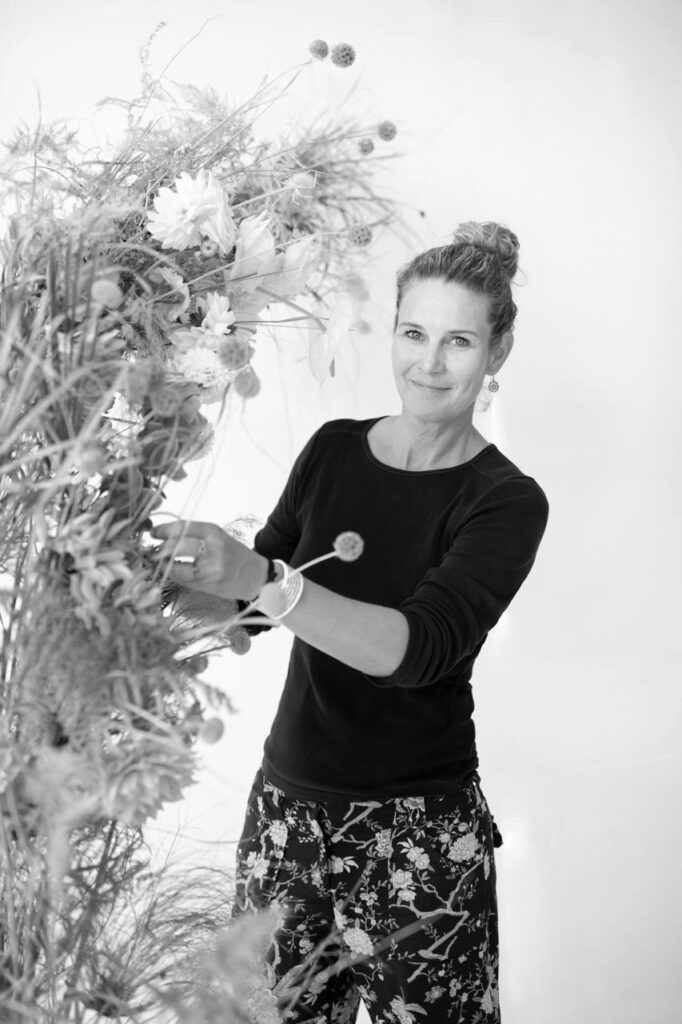
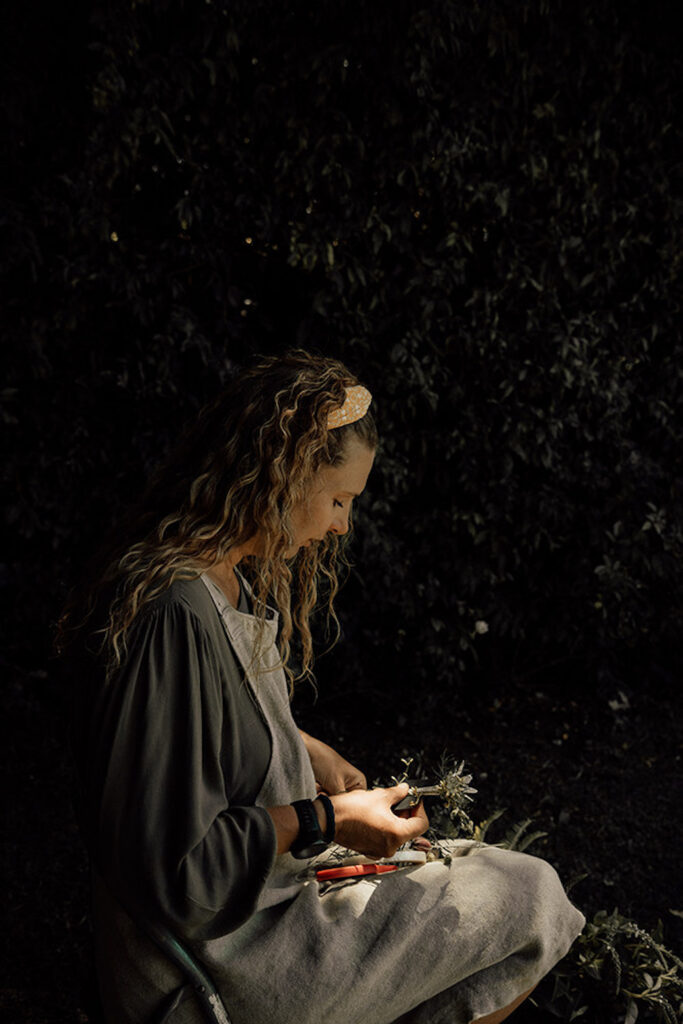
For Bédinkt founder Theresa Potgieter, floristry is not simply about arranging flowers. It is a form of artistic expression.
“As an artist and perfectionist, my approach to floristry is a meeting point between nature and art,” she explains.
Every design begins with intention.
“I don’t believe in recreating the same arrangement twice. Each piece should feel personal, expressive and alive.”
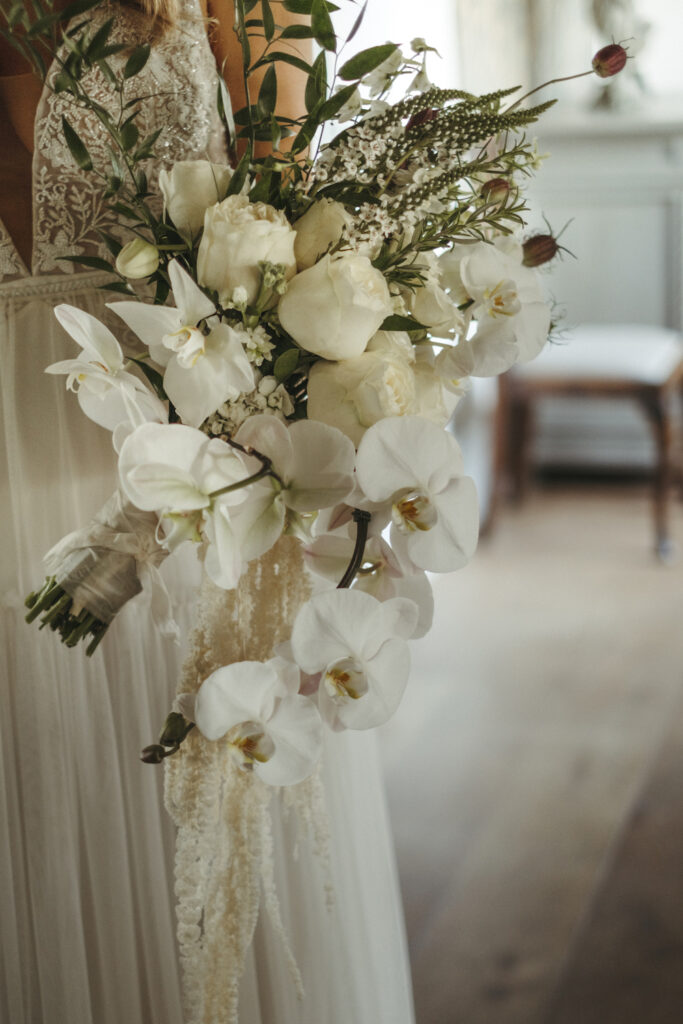
Where nature and artistry meet, florals become more than décor – they become part of the experience.
More than flowers
One of the biggest misconceptions couples often have is what actually goes into creating wedding florals.
“The cost of wedding flowers is a whole production line,” Theresa says.
Behind every bouquet and installation sits an enormous amount of unseen work – sourcing flowers and materials, conditioning blooms, planning logistics, travelling between suppliers, building structures and managing installations.
Hours of preparation happen long before a single stem reaches the venue.
There’s a huge amount of work nobody sees, but it directly affects how the flowers look and perform on the day.
Turning ideas into experiences
Theresa approaches every wedding as a creative collaboration.
“Most couples already have a feeling, a style or particular flowers they’re drawn to.”
Rather than recreating inspiration images exactly, she looks for something deeper.
“I take those ideas and create an intentional thread that runs through the entire experience.”
That thread becomes the language of the wedding – subtle details carrying through from ceremony to reception, creating a feeling that guests experience rather than simply observe.
Working with limitations creatively
Budgets, seasonality and venue constraints are often viewed as obstacles.
Theresa sees them differently.
“They’re part of the brief.”
Working within limitations doesn’t mean lowering standards – it simply changes the creative process.
“The challenge is finding ways to create something refined and intentional without compromising the artistic vision.”
The moment flowers speak the loudest
For Theresa, one moment stands above the rest.
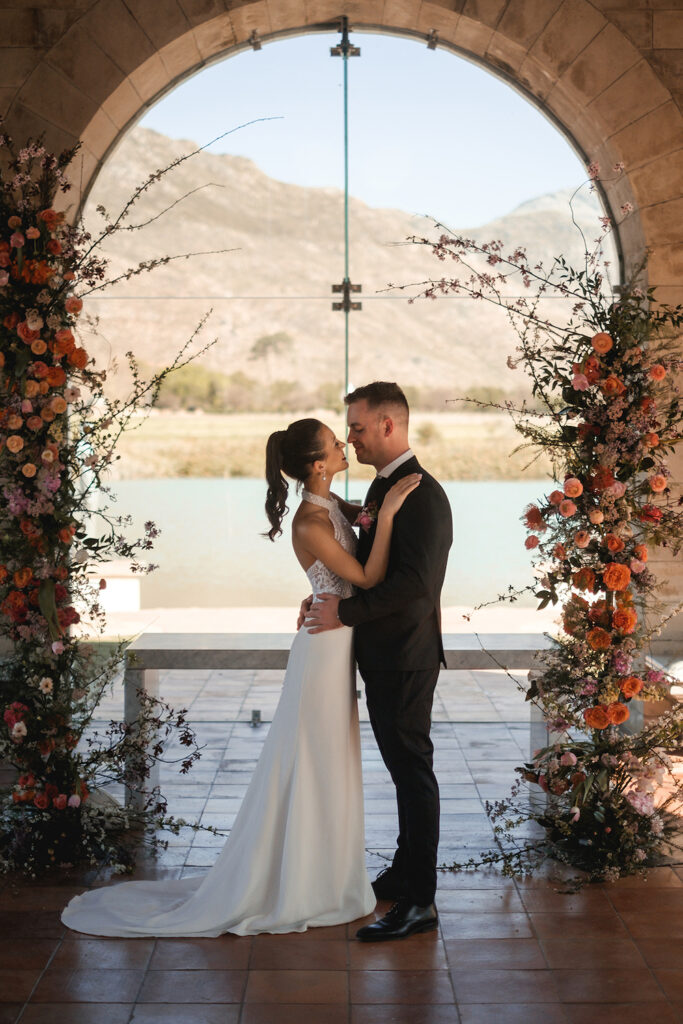
The ceremony is the visual anchor of a wedding.
It’s where emotions are heightened and where some of the most meaningful photographs are taken.
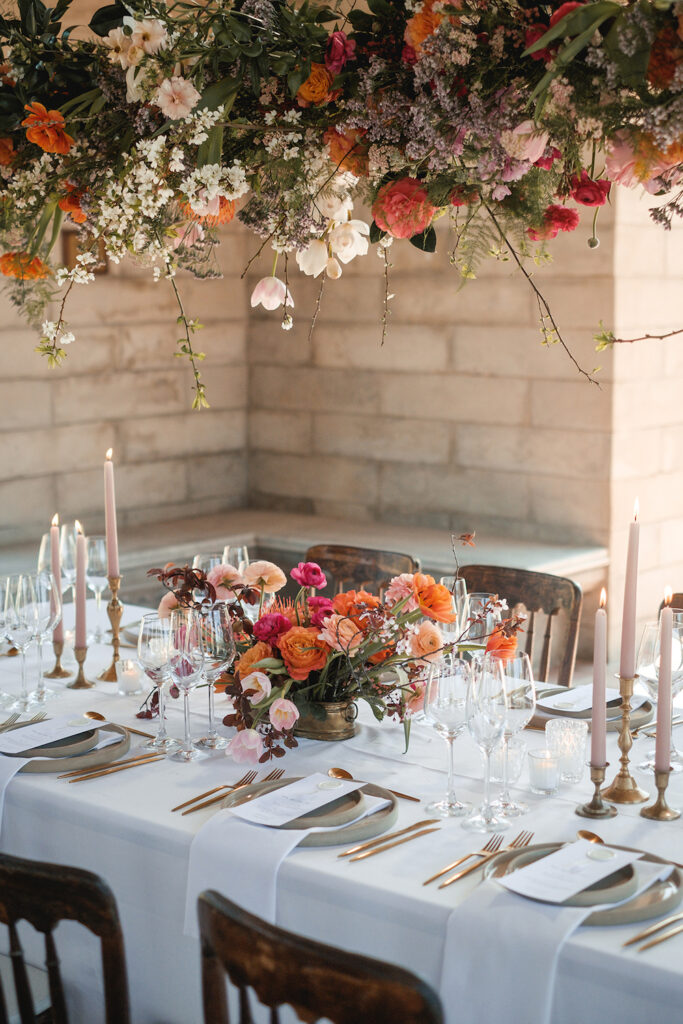
Whether through sculptural installations, plinths or floral structures, ceremony florals do far more than decorate a space.
“They frame the couple and define the atmosphere.”
The art behind an installation
Great floral installations don’t simply fill a room – they change how people experience it.
“All elements of art play a role,” Theresa explains.
When design, proportion, texture and placement come together correctly, something shifts.
The flowers stop being decoration and begin becoming part of the environment itself.
Behind the scenes of the magic
Wedding florals involve far more than beautiful finished products.
From stripping thorns and hydrating flowers to managing strict venue regulations around installation structures, much of the work happens quietly behind the scenes.
“Setting up often becomes a race against time,” she says.
Tight timelines, limited space and multiple suppliers working simultaneously require preparation and adaptability.
Creating something timeless
As trends constantly evolve, Theresa draws inspiration from far beyond floristry itself.
Fashion. Art. Architecture. Nature.
“Inspiration is often subconscious,” she says.
Rather than following trends directly, she prefers interpreting ideas through her own creative lens.
“I see floristry as a medium for creating art rather than simply following trends.”
Because trends may come and go, but thoughtful design remains.
A final word
For couples planning their wedding, Theresa’s advice is simple:
“Focus on the overall feeling you want to create rather than specific flower varieties.”
Trust the process. Work with the seasons. Stay true to the atmosphere you want guests to experience.
“The magic lies not in the flower names, but in how everything comes together as a whole.”